Scoliosis Correction Surgery in Bangalore
Scoliosis correction surgery in Bangalore is recommended when a spinal curve becomes severe, continues to progress, or starts affecting posture, balance, breathing capacity, pain levels, or daily movement. While many children, teenagers, and adults with scoliosis can be managed through observation, bracing, and physiotherapy, some curves need surgical correction to prevent long-term deformity and functional problems.
Dr. Naveen Tahasildar offers specialised scoliosis treatment in Bangalore for children, adolescents, and adults. His approach is always non-surgical first. Surgery is advised only when the curve is progressing, the Cobb angle is high, or conservative treatment is no longer enough to protect spinal alignment.
According to Dr. Naveen Tahasildar, “Scoliosis surgery is not about making an X-ray look better. It is about correcting the spine safely, protecting the nerves, preserving function, and helping the patient return to school, work, sport, and normal life with confidence.”
With 18+ years dedicated to spine and scoliosis care, 100+ scoliosis corrections, international deformity training, and neuromonitored surgical planning, Dr. Tahasildar provides advanced scoliosis correction surgery in Bangalore with a strong focus on safety, honest counselling, and long-term recovery.
Book a Consultation with Dr. Naveen Tahasildar
When Is Scoliosis Correction Surgery Needed?
Not every scoliosis curve needs surgery. In fact, many mild and moderate curves can be monitored or managed with non-surgical care. Surgery is considered only when the curve has reached a stage where it is likely to worsen or cause long-term problems.
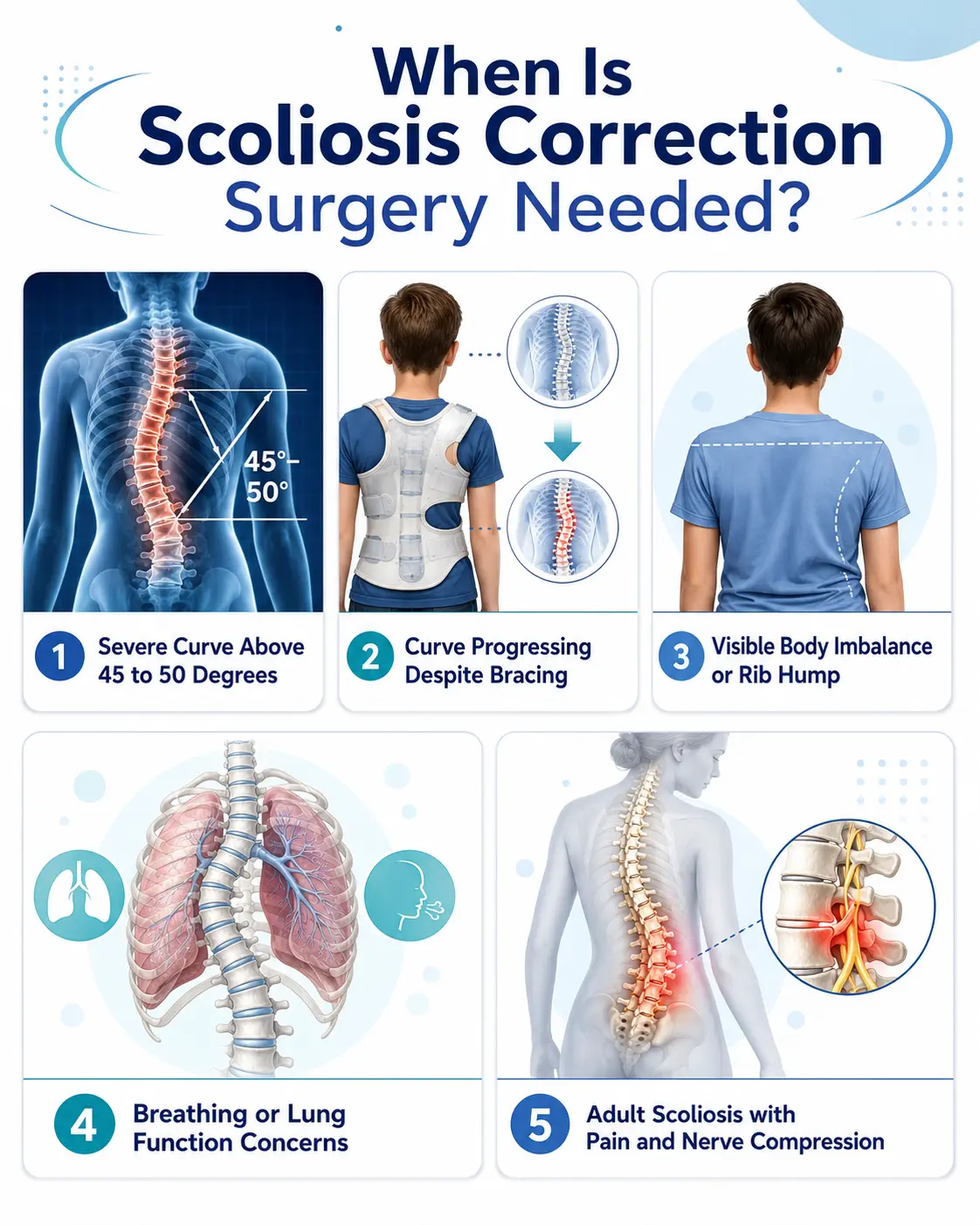
Severe Curve Above 45 to 50 Degrees
In growing children and teenagers, scoliosis surgery is commonly considered when the curve crosses 45 to 50 degrees or continues to progress despite bracing. At this stage, the curve may keep worsening even after growth is complete. Patients can also understand non-surgical evaluation, bracing, and curve monitoring through scoliosis treatment before deciding whether surgery is truly needed.
Curve Progressing Despite Bracing
Bracing works best for growing children with moderate curves. But if the curve keeps increasing despite proper brace use, surgery may become the safer long-term option.
Visible Body Imbalance or Rib Hump
A significant rib hump, uneven shoulders, tilted waist, or trunk shift can affect confidence, clothing fit, posture, and daily comfort. Surgical correction may be advised when deformity becomes severe or progressive.
Breathing or Lung Function Concerns
Large thoracic curves can reduce chest space and affect lung function over time. Surgery may be recommended when the curve is severe enough to create future cardiopulmonary concerns.
Adult Scoliosis with Pain and Nerve Compression
Adults may need surgery when scoliosis causes disabling back pain, leg pain, spinal stenosis, nerve compression, or difficulty standing and walking. In such cases, the treatment plan may also include evaluation for spinal stenosis treatment, especially when walking distance reduces or leg symptoms become prominent.
Types of Scoliosis Treated with Surgery
Scoliosis behaves differently depending on age, curve type, cause, and growth remaining. A correct diagnosis helps decide whether surgery is needed, which levels should be corrected, and how much mobility can be preserved.
Adolescent Idiopathic Scoliosis
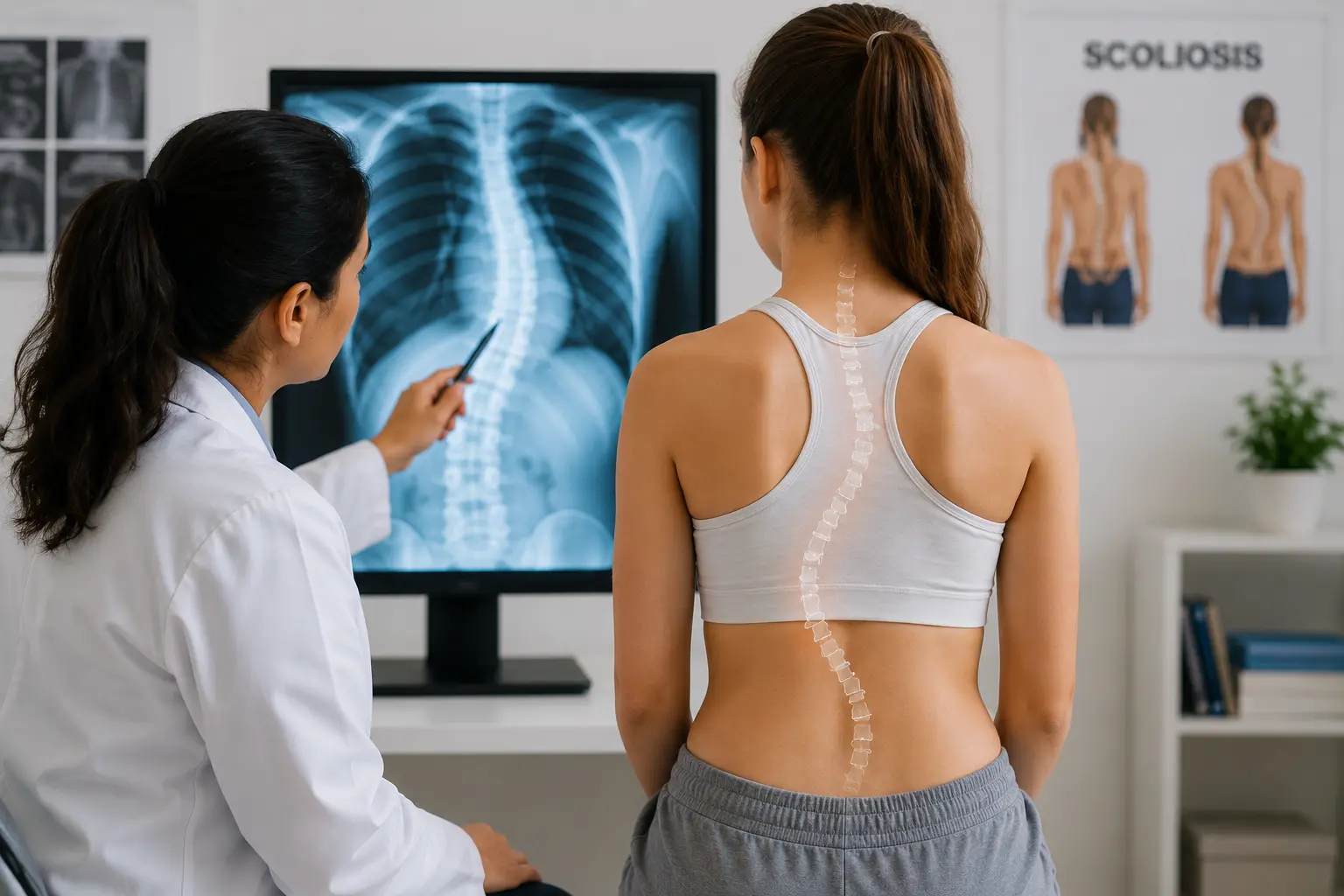
This is the most common type of scoliosis, usually seen between 10 and 18 years of age. Many cases only need monitoring or bracing, but progressive curves above surgical range may need correction.
Congenital Scoliosis
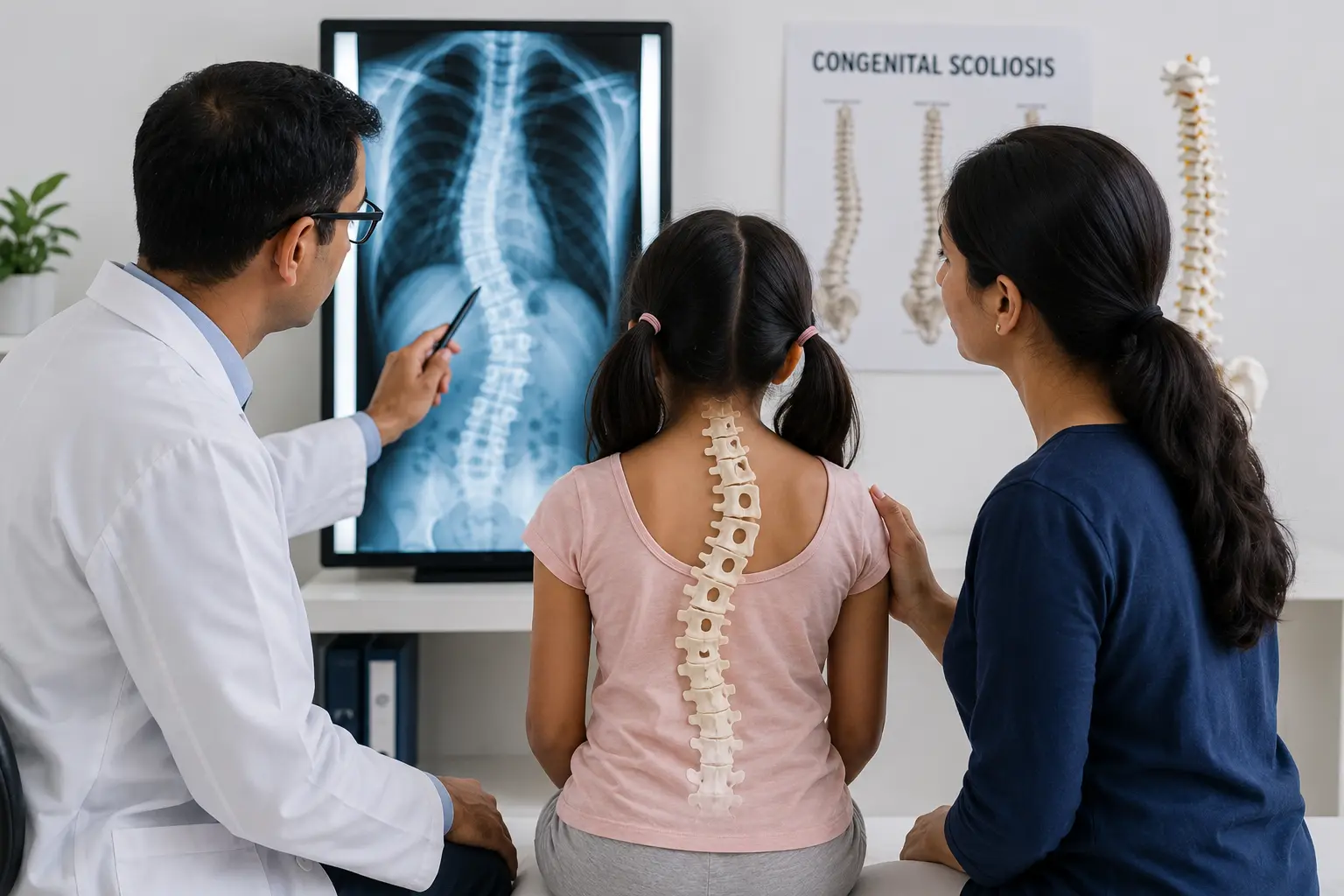
This develops due to abnormal formation of spinal bones before birth. Surgical planning depends on the child’s age, curve progression, spinal growth, and associated health conditions.
Neuromuscular Scoliosis
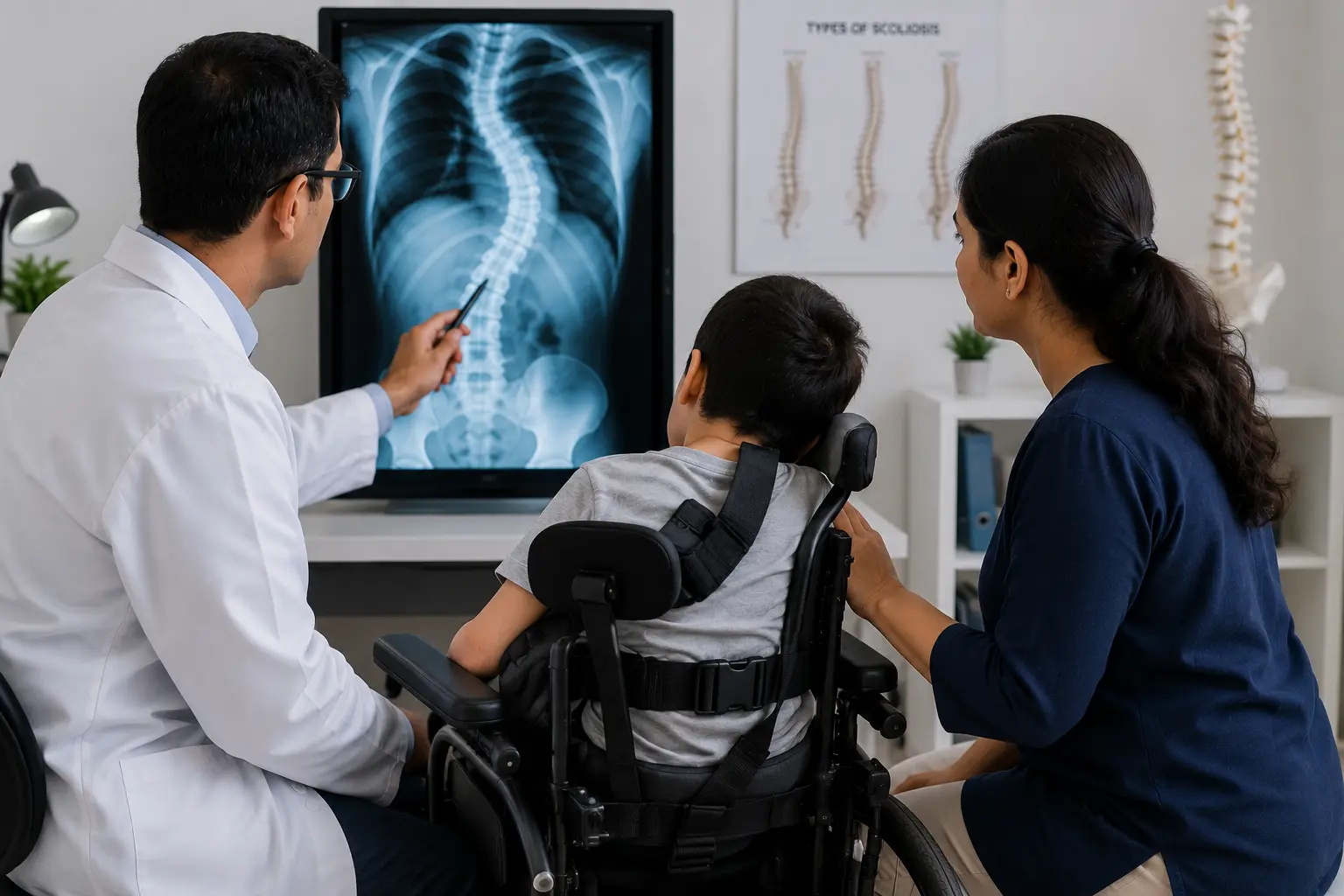
This occurs in children with conditions such as cerebral palsy, muscular dystrophy, or spina bifida. These curves are often long, progressive, and linked with sitting imbalance or care difficulty.
Adult Degenerative Scoliosis
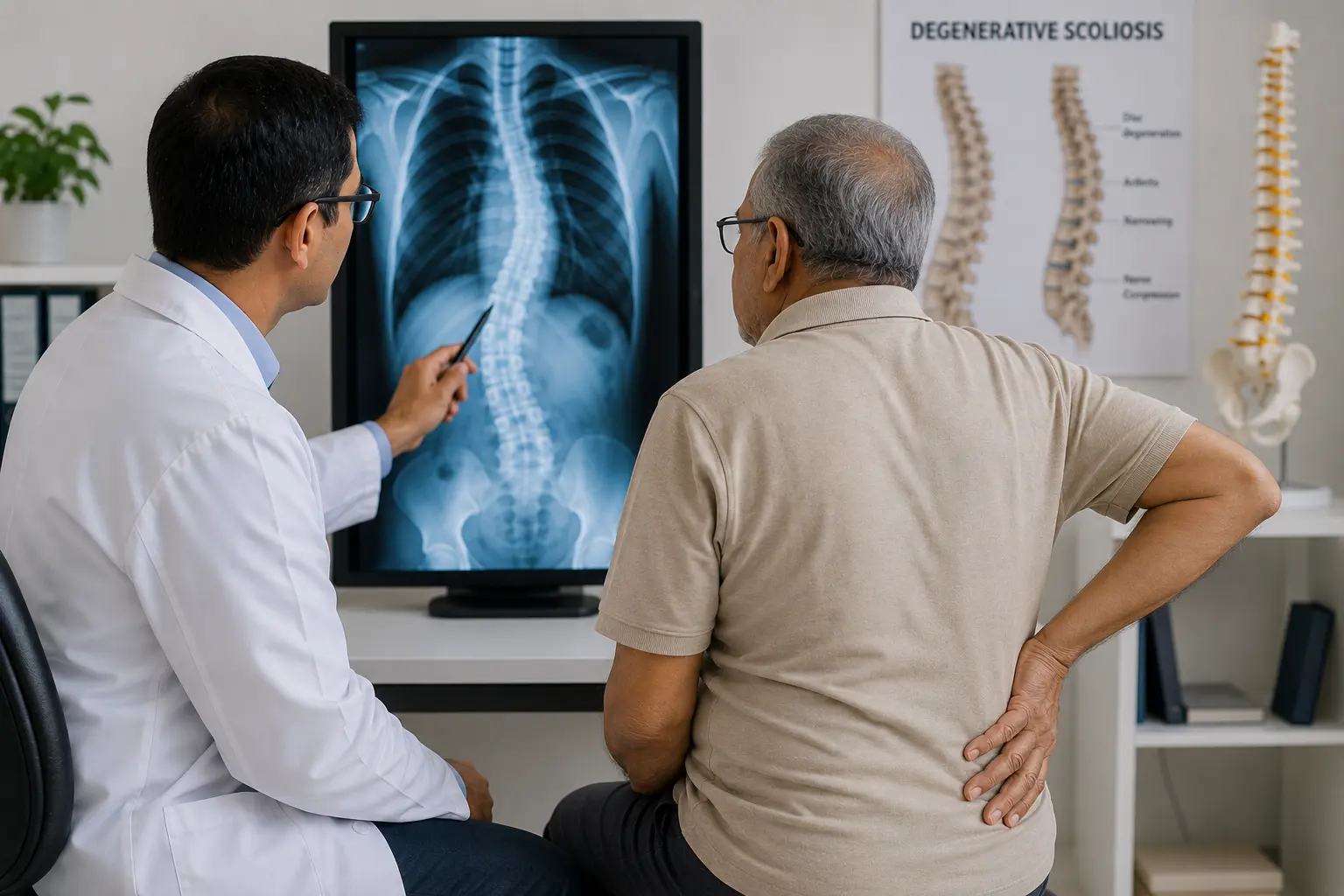
This appears due to age-related disc degeneration, arthritis, spinal imbalance, and nerve compression. Treatment focuses on pain relief, nerve decompression, and restoring standing balance.
Syndromic Scoliosis
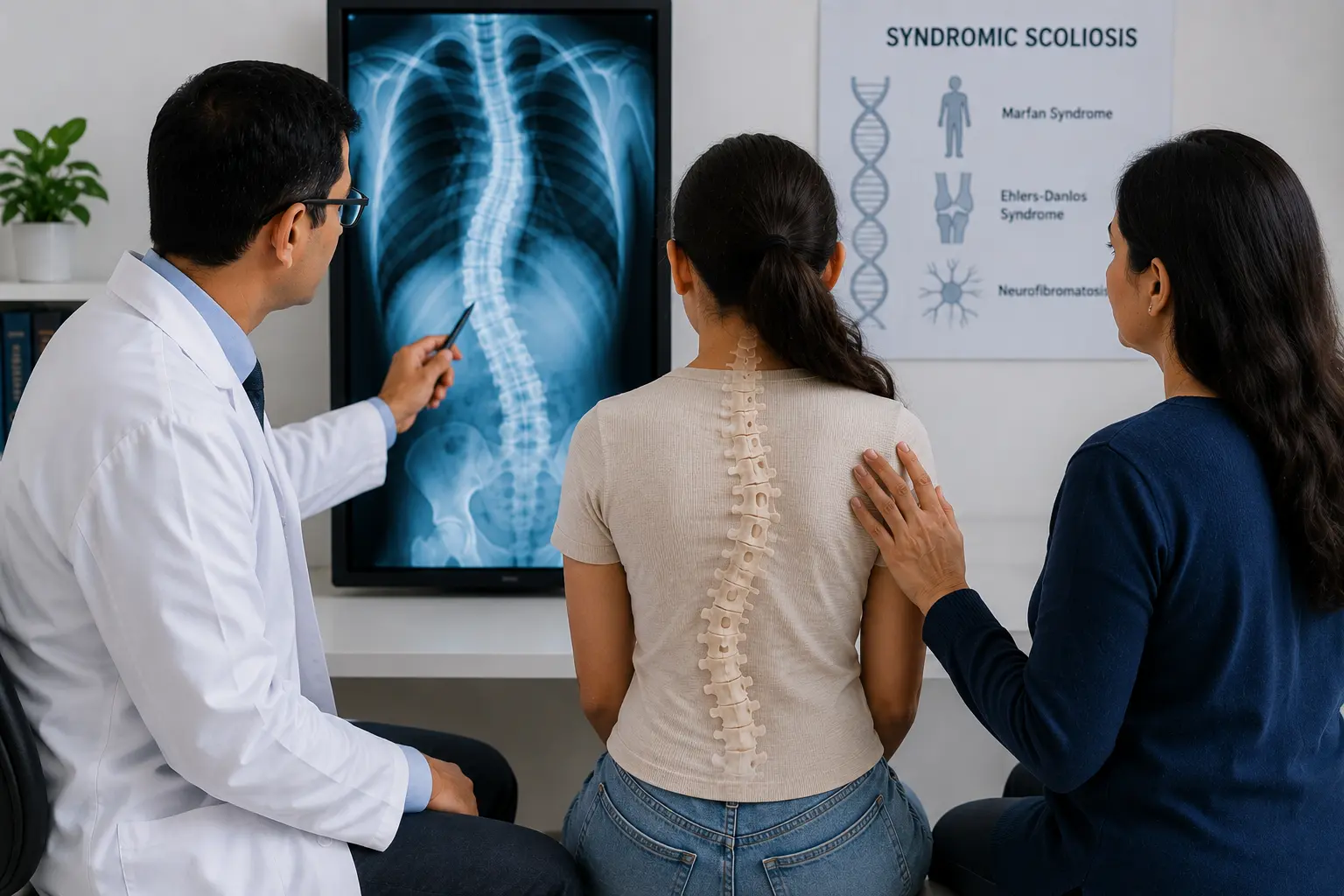
This type is linked with genetic or connective tissue conditions such as Marfan syndrome, Ehlers-Danlos syndrome, or neurofibromatosis. Surgery needs personalised planning because bone quality, flexibility, and nerve behaviour may differ.
To understand the specialist behind the treatment approach, visit Dr. Naveen Tahasildar, scoliosis surgeon in Bangalore.
How Scoliosis Correction Surgery Works
Scoliosis correction surgery aims to straighten the spine as safely as possible, stop further curve progression, improve body balance, and protect spinal cord and nerve function. The surgical plan depends on curve location, stiffness, age, growth remaining, and overall health.
Step 1: Detailed Clinical and X-ray Assessment
The process begins with a full spine standing X-ray, clinical examination, posture assessment, neurological evaluation, and review of symptoms. The Cobb angle, shoulder balance, pelvic balance, rib hump, and spinal flexibility are carefully measured.
Step 2: MRI, CT Scan, and Pre-Surgical Planning
MRI may be advised to assess the spinal cord and nerves. CT scan may be needed in complex curves, congenital scoliosis, revision cases, or severe deformity. Pulmonary tests, blood tests, nutrition review, and anaesthesia clearance are also completed before surgery.
Step 3: Choosing the Right Surgical Method
The surgery may involve posterior spinal fusion, pedicle screw fixation, growing rods, MAGEC rods, vertebral column resection, or other deformity correction techniques depending on the case. The goal is not maximum correction at any cost, but safe correction with long-term spinal balance.
Step 4: Neuromonitored Surgery
During surgery, intraoperative neuromonitoring is used to track spinal cord and nerve function in real time. This adds an important safety layer during complex scoliosis correction.
Step 5: Recovery and Rehabilitation
After surgery, most patients start walking with support within the first few days. Return to school or light routine often happens in 4 to 6 weeks, while sports and heavier activities are reintroduced gradually over months.
For appointment support, families can directly contact the scoliosis care team in Bangalore.
Benefits of Scoliosis Correction Surgery
Scoliosis correction surgery can make a major difference when the curve is severe, progressive, or functionally limiting. The benefits depend on age, curve type, correction achieved, and rehabilitation.
Improved Spinal Alignment
The surgery corrects the abnormal side-to-side curve and improves overall spinal balance. This helps the body stand straighter and reduces visible trunk shift.
Better Shoulder and Waist Balance
Patients often notice improved shoulder height, waist symmetry, rib prominence, and posture after correction.
Prevention of Further Curve Progression
A major goal of surgery is to stop the curve from worsening in adulthood, especially in severe adolescent scoliosis.
Improved Confidence and Body Image
The surgery corrects the abnormal side-to-side curve and improves overall spinal balance. This helps the body stand straighter and reduces visible trunk shift.
Better Function in Severe Cases
In selected patients, surgery may improve standing tolerance, walking ability, sitting balance, pain, and quality of life.
Recovery After Scoliosis Correction Surgery
Recovery is a structured process. The first goal is pain control and safe walking. The next goal is returning to school, work, and daily routine. The final goal is long-term strength, confidence, and independent function.
Hospital Stay
Most patients stay in the hospital for around 5 to 7 days, depending on the type of surgery, pain control, walking progress, and medical condition.

First Few Weeks at Home
Light walking is encouraged. Bending, twisting, heavy lifting, and rough activity are restricted. Wound care and follow-up visits are important during this period.
Return to School or Work
Many children can return to school in 4 to 6 weeks, often starting with half days. Adults may return to desk work depending on pain control and surgical extent.
Return to Sports
Non-contact activities are usually introduced gradually. Running, cycling, swimming, yoga, gym activity, and contact sports are allowed only after surgeon clearance.
Long-Term Follow-Up
Regular follow-up checks ensure the spine is healing well, implants are stable, and recovery is progressing safely.
Why Choose Dr. Naveen Tahasildar for Scoliosis Correction Surgery in Bangalore?
Choosing the right scoliosis surgeon matters because deformity correction is one of the most specialised areas of spine surgery. It requires technical skill, judgment, planning, neuromonitoring, and honest decision-making.
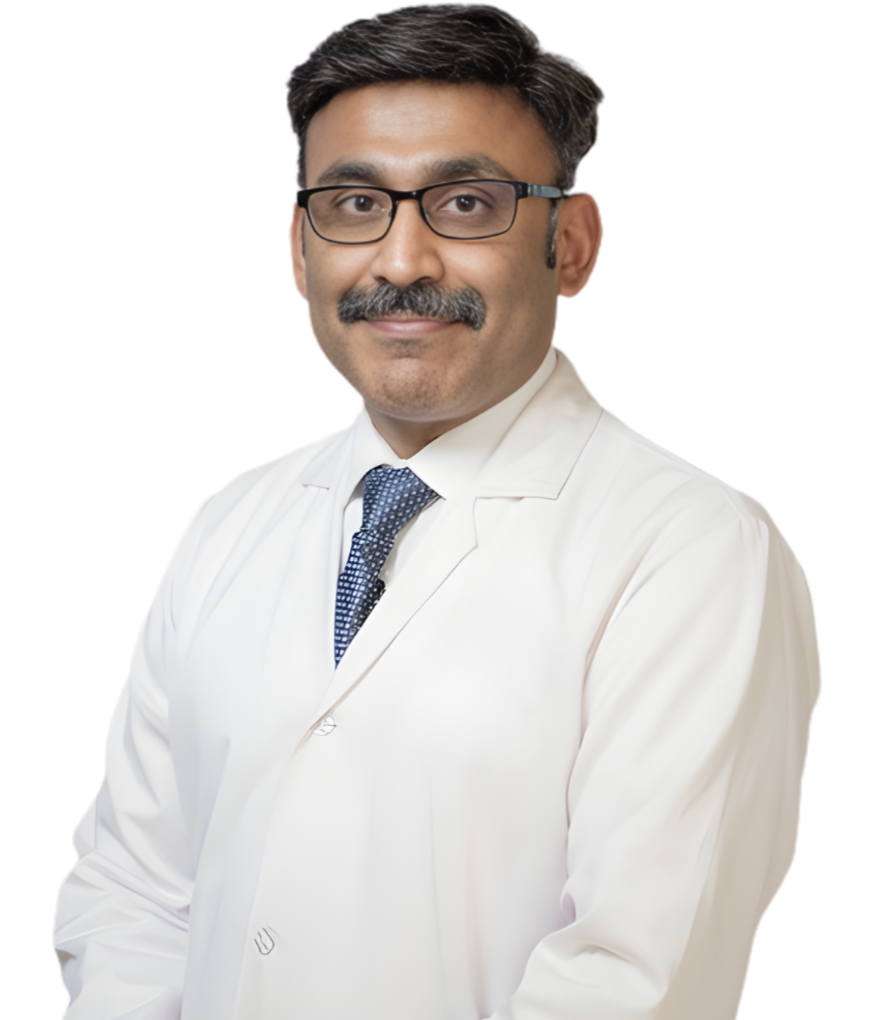
Dr. Naveen Tahasildar brings 18+ years of focused spine experience and has performed 100+ scoliosis corrections. Patients can also read more about his spine surgery experience, fellowships, and academic work on his spine surgeon profile. His treatment philosophy is clear: avoid surgery whenever possible, and when surgery is needed, correct the curve safely with the least risky plan that gives lasting benefit.
FAQs on Scoliosis Correction Surgery in Bangalore
1. Is scoliosis correction surgery always needed for scoliosis?
No. Most scoliosis cases do not need surgery. Mild curves are usually monitored, while moderate curves in growing children may be treated with bracing and scoliosis-specific exercises. Surgery is considered only when the curve is severe, progressive, or likely to cause long-term problems.
2. At what degree does scoliosis usually need surgery?
Surgery is commonly considered when the curve crosses 45 to 50 degrees in growing children or when the curve keeps progressing despite bracing. In adults, the decision depends not only on the curve angle but also on pain, nerve compression, posture imbalance, and walking difficulty.
3. Is scoliosis correction surgery safe?
Modern scoliosis surgery is much safer than before because of better implants, improved imaging, anaesthesia support, blood management, and intraoperative neuromonitoring. However, it is still a major spine surgery and should be performed by an experienced scoliosis surgeon after detailed planning.
4. How long does recovery take after scoliosis correction surgery?
Most patients begin walking during the hospital stay and return to school or light routine in about 4 to 6 weeks. Non-contact activity may resume gradually over months, while full sports or heavy activity usually needs surgeon clearance around 9 to 12 months, depending on healing.
5. Can scoliosis come back after correction surgery?
Once the corrected spinal levels are fused, the operated curve usually does not progress again. However, long-term follow-up is important to monitor healing, implant stability, posture, and the unfused areas of the spine.