
Minimally Invasive Spine Surgery in Bangalore
Minimally invasive spine surgery in Bangalore is an advanced surgical approach used to treat selected spine conditions through smaller incisions, less muscle disruption, and targeted correction. It may be recommended for slipped disc, spinal stenosis, nerve compression, selected spinal instability, vertebral fractures, and certain scoliosis-related spine problems.
Dr. Naveen Tahasildar provides specialised spine and scoliosis care for children, teenagers, and adults. His treatment approach is conservative first, which means surgery is considered only when medicines, physiotherapy, posture correction, bracing, injections, or observation are no longer enough to protect nerve function, posture, and movement.
For children and teenagers, minimally invasive spine surgery is planned very carefully. The goal is not only to reduce pain or correct a spine problem, but also to protect growth, movement, posture, and confidence. Parents are guided at every step so they understand whether their child needs observation, bracing, physiotherapy, scoliosis correction, or a minimally invasive surgical option.
According to Dr. Naveen Tahasildar, “Minimally invasive spine surgery is not only about a smaller cut. The goal is to treat the exact spinal problem with less tissue damage, better nerve safety, and a recovery plan that helps the patient return to routine life with confidence.”
Book a Consultation with Dr. Naveen Tahasildar
What Is Minimally Invasive Spine Surgery?
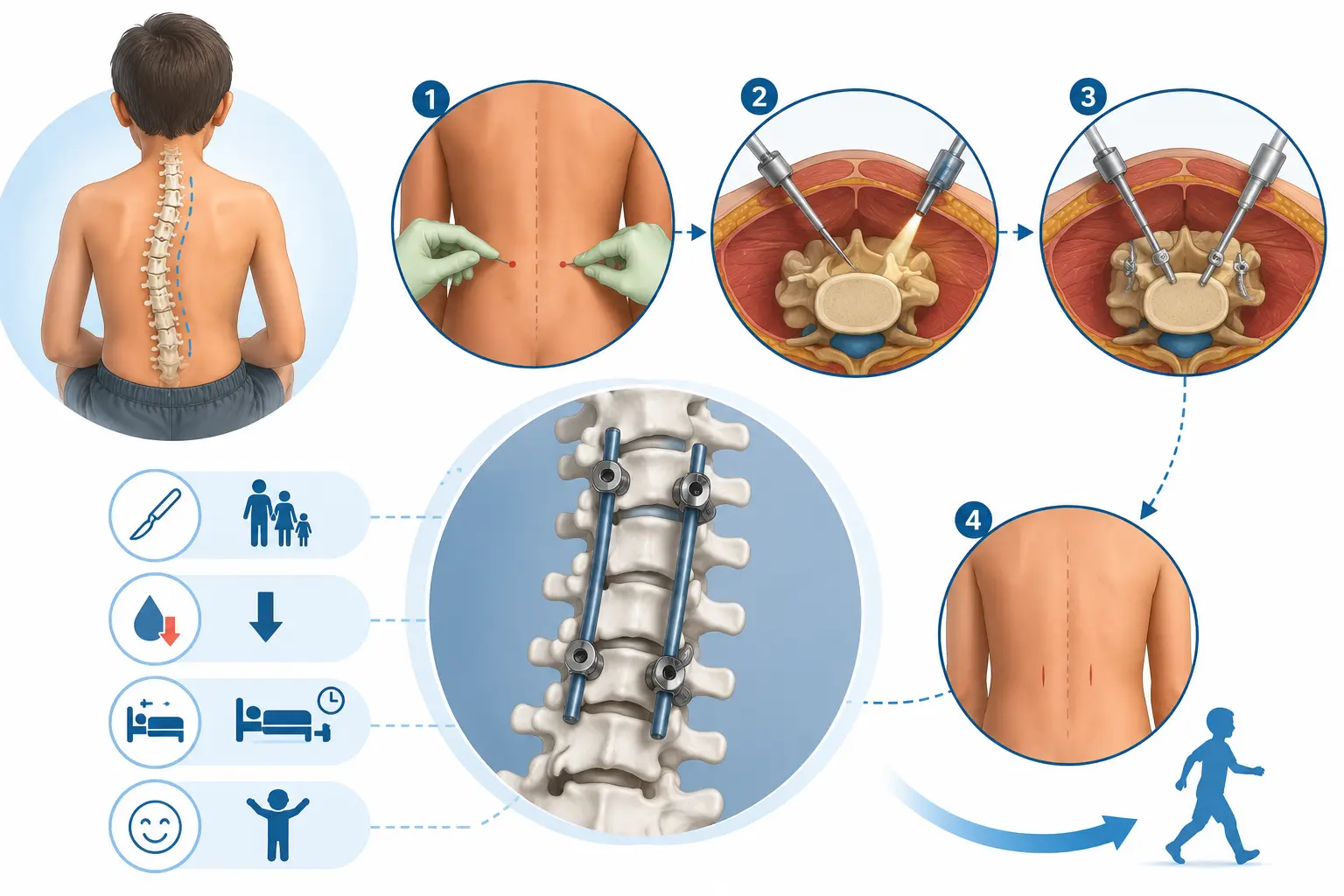
Minimally invasive spine surgery, also called MISS, is a surgical technique where the affected part of the spine is treated through small incisions using specialised instruments, magnification, imaging guidance, endoscopy, or tubular retractors.
In open spine surgery, the muscles around the spine may need wider separation to reach the affected area. In minimally invasive surgery, the surgeon works through a smaller access channel and focuses only on the part that is causing pain, nerve compression, instability, or deformity-related symptoms.
Main Goals of Minimally Invasive Spine Surgery
- Relieve pressure on compressed nerves
- Reduce leg pain, arm pain, numbness, or weakness
- Treat selected disc and stenosis problems
- Stabilise the spine when needed
- Reduce damage to surrounding muscles
- Support faster recovery in suitable patients
- Improve walking ability and daily function
- Preserve healthy spinal tissues as much as possible
When Is Minimally Invasive Spine Surgery Needed?
Most spine problems do not need surgery at the first stage. Back pain, neck pain, scoliosis-related discomfort, and nerve symptoms are usually treated first with medicines, physiotherapy, posture correction, lifestyle changes, or injections. Surgery is considered when symptoms continue despite proper treatment or when nerve function is at risk.
Patients can book an evaluation through Scoliosis contact if they have persistent pain, radiating symptoms, weakness, or progressive spine deformity.
Persistent Back or Neck Pain
Pain that continues for several weeks despite treatment needs proper evaluation. Surgery may be considered only when imaging and symptoms clearly show a structural spine problem.
Spine Problems in Children and Teenagers
Children may not always explain spine pain clearly. Parents may notice signs such as uneven shoulders, a tilted waist, one side of the back looking higher, difficulty sitting straight, back pain after activity, or reduced interest in sports and play. These signs do not always mean surgery is needed, but they should be checked by a spine specialist, especially when posture changes are increasing.
For children with spinal curvature concerns, families can first understand scoliosis treatment before deciding whether the condition needs monitoring, bracing, rehabilitation, or surgery.
Pain Radiating to the Leg or Arm
Pain travelling from the lower back to the leg or from the neck to the arm can indicate nerve compression. This may happen due to a slipped disc, spinal stenosis, or narrowing around the nerve.
Numbness, Tingling, or Weakness
Nerve compression can cause numbness, tingling, reduced grip, foot weakness, or difficulty climbing stairs. These symptoms need timely medical attention.
Walking Difficulty Due to Spinal Stenosis
Spinal stenosis can cause leg heaviness, numbness, pain, or reduced walking distance. Minimally invasive decompression may help selected patients when conservative care fails. Patients with these symptoms can also refer to spinal stenosis treatment for a deeper understanding of nerve compression and walking-related spine pain.
Severe Sciatica Due to Disc Prolapse
Many disc prolapse cases improve without surgery. However, if severe sciatica, weakness, or disabling pain continues, minimally invasive microdiscectomy may be advised.
Selected Scoliosis or Deformity Cases
Some scoliosis-related problems may be treated with less invasive or hybrid techniques. However, severe curves usually need detailed deformity correction planning.
Spine Conditions Treated with Minimally Invasive Surgery
Minimally invasive spine surgery is not one fixed procedure. It includes different techniques used for different spine conditions. The correct procedure depends on diagnosis, symptoms, age, bone quality, nerve status, and spinal stability.
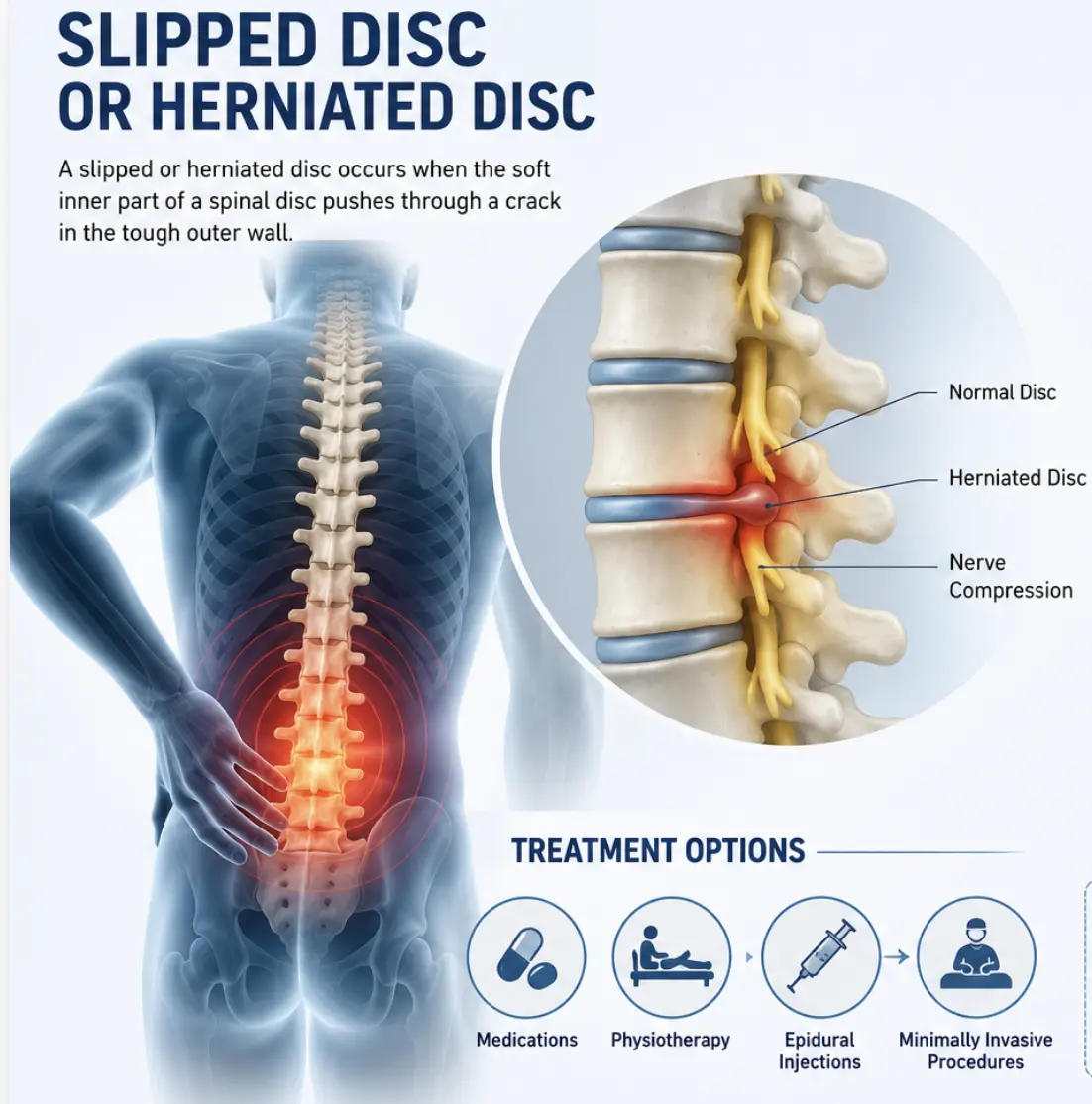
A slipped disc can press on a spinal nerve and cause back pain, leg pain, sciatica, numbness, or weakness. Minimally invasive microdiscectomy may be used to remove the disc fragment pressing on the nerve.
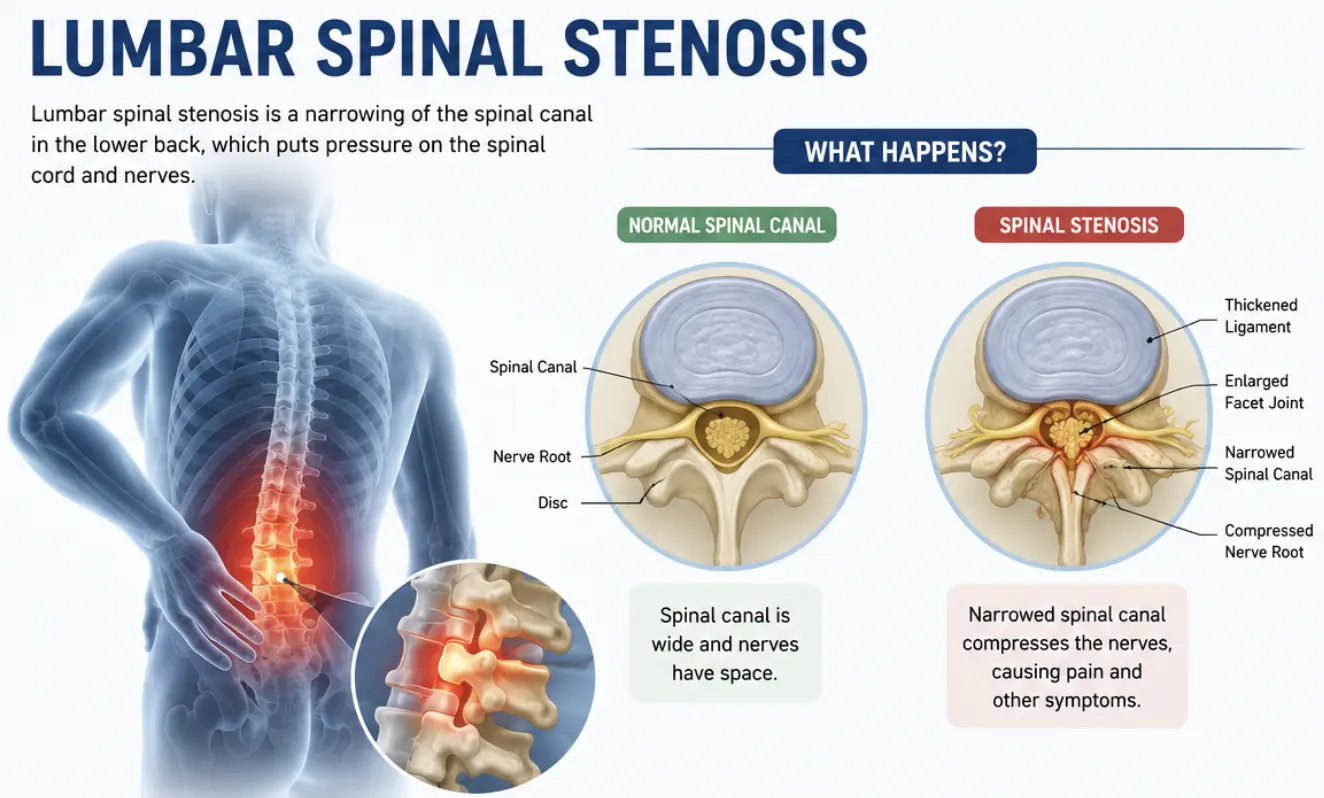
Lumbar spinal stenosis causes narrowing in the lower spine. It can lead to leg pain, heaviness, numbness, and difficulty walking. Minimally invasive decompression may be advised in selected patients.
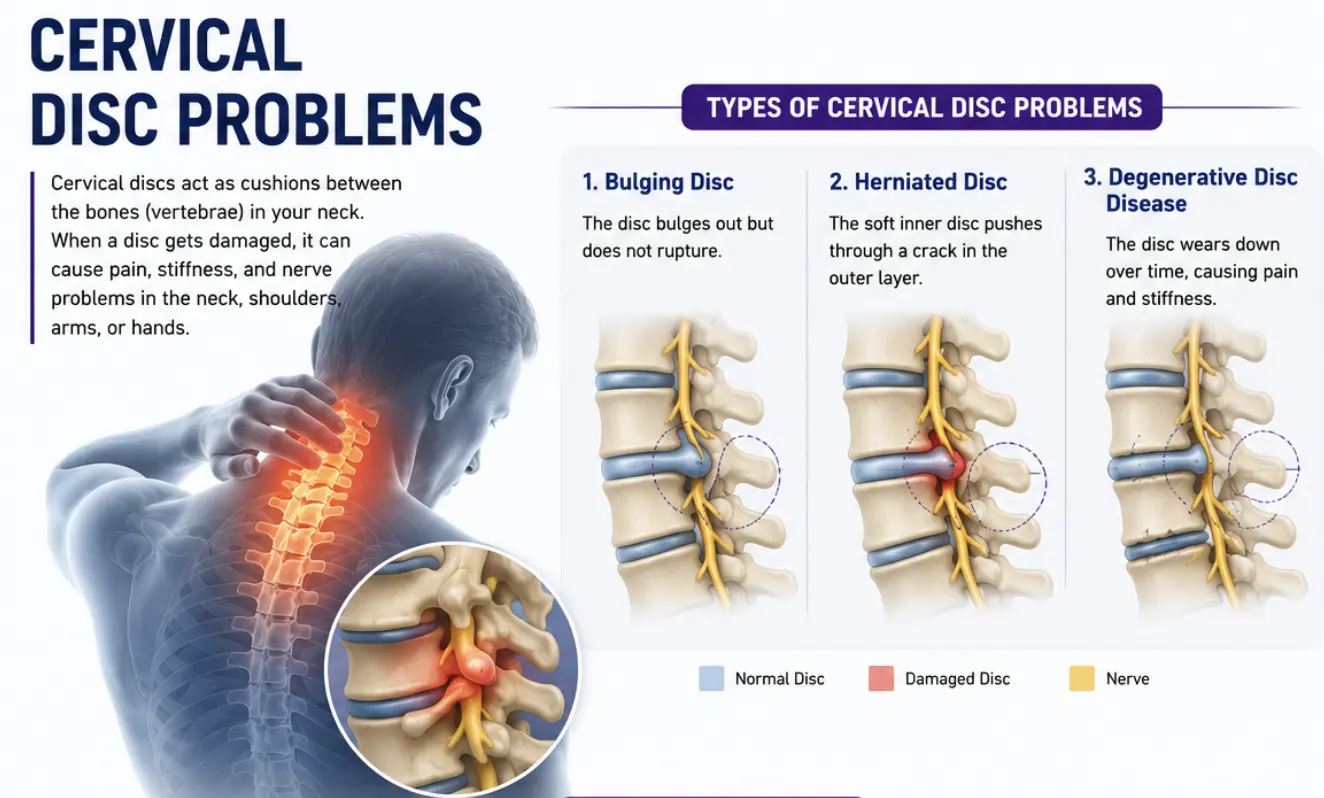
Certain neck disc problems can compress nerves or the spinal cord. Depending on the condition, smaller-incision techniques may help relieve nerve pressure.
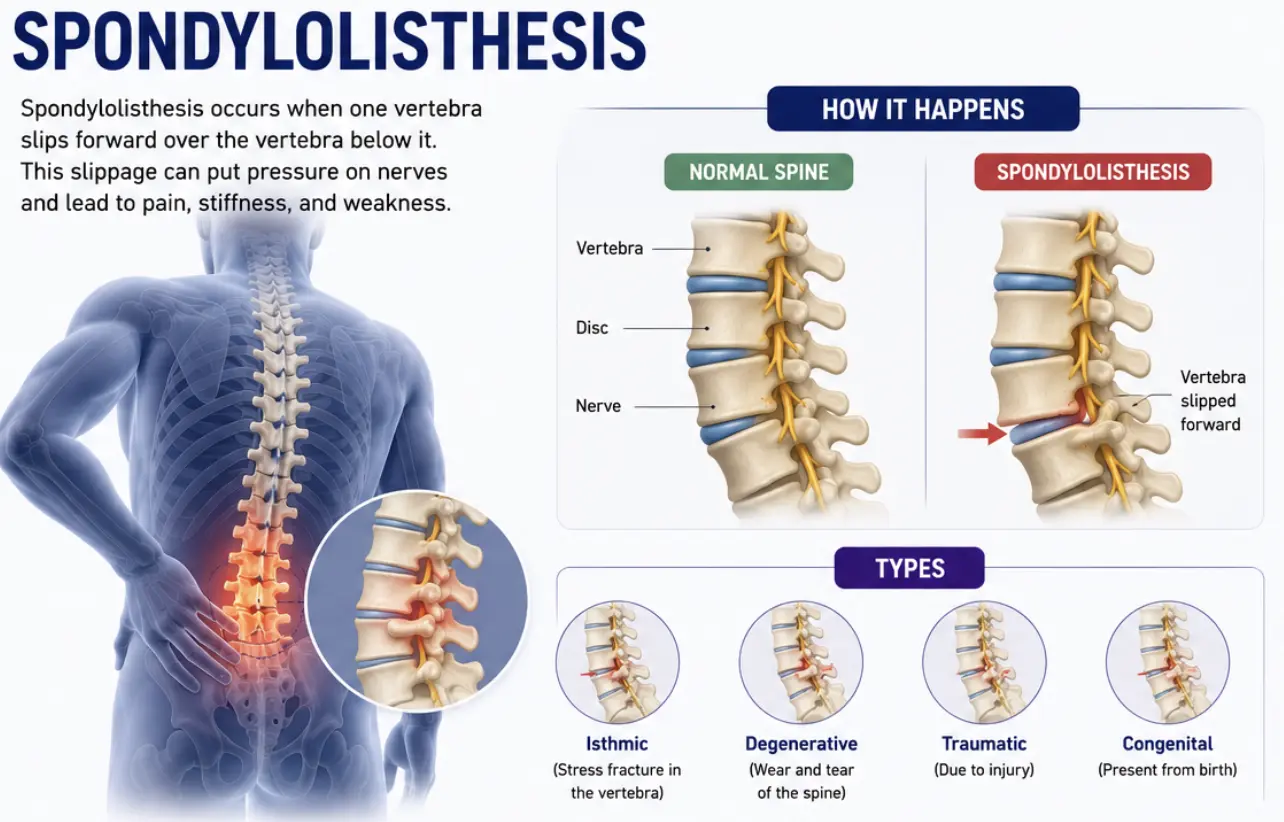
Spondylolisthesis happens when one vertebra slips over another. If it causes instability, nerve compression, or persistent pain, minimally invasive fusion may be considered.
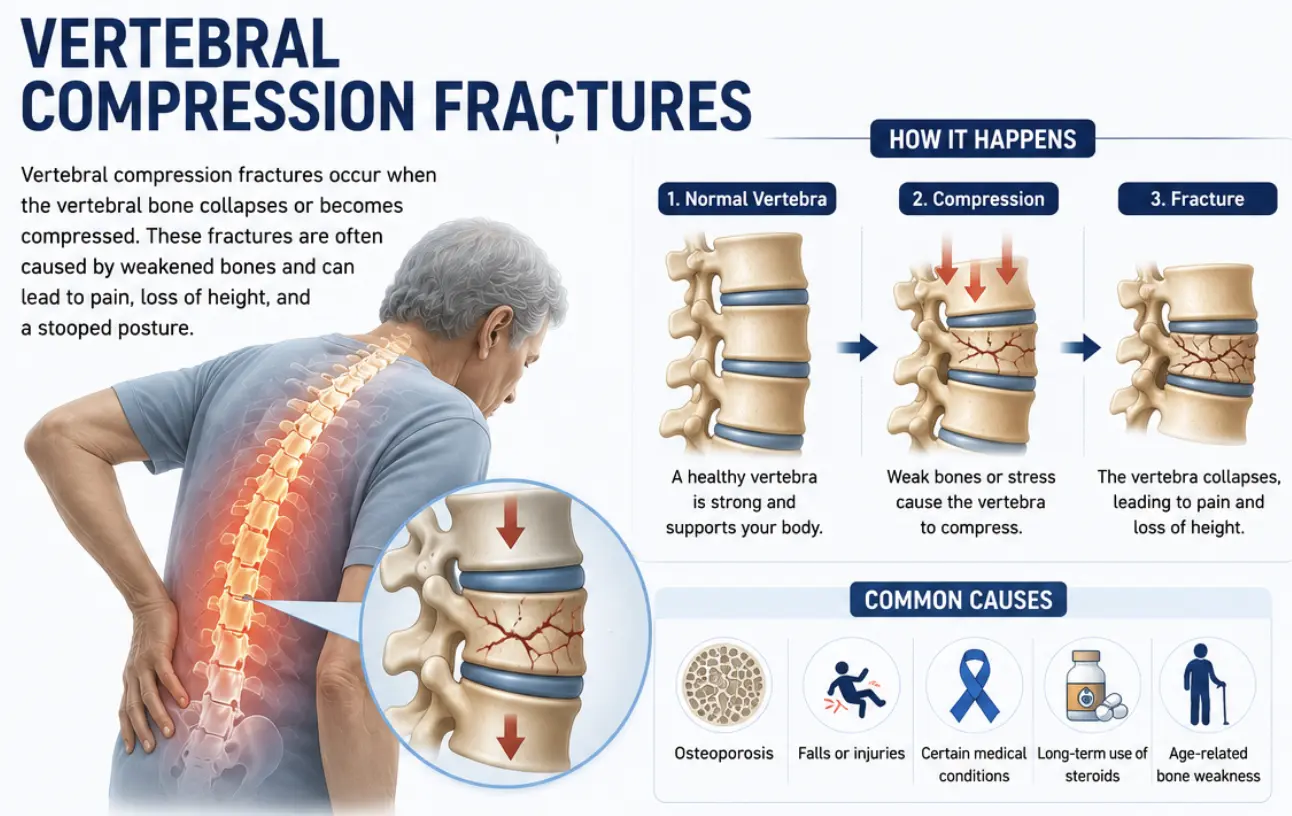
Painful osteoporotic spine fractures may be treated with minimally invasive procedures such as kyphoplasty in selected cases. This can help stabilize the fractured vertebra and reduce pain.
How Dr. Naveen Tahasildar Plans Minimally Invasive Spine Surgery
The success of minimally invasive spine surgery depends on accurate diagnosis and careful patient selection. Dr. Naveen Tahasildar does not recommend surgery based only on an MRI report. Clinical symptoms, examination findings, imaging results, and functional limitations are studied together before planning treatment.
Child-Focused Surgical Planning
In children and teenagers, treatment planning is different from adults. Dr. Naveen Tahasildar considers age, growth remaining, curve progression, spinal balance, nerve safety, school routine, sports activity, and emotional comfort before recommending surgery. The focus is always to choose the safest option that supports long-term growth and daily life.
Detailed Clinical Assessment
The evaluation includes pain history, posture assessment, walking pattern, neurological examination, muscle strength, reflexes, sensation, and red-flag symptom screening.
Imaging and Diagnosis
MRI, CT scan, X-rays, dynamic X-rays, and nerve studies may be advised when needed. The aim is to identify the exact source of pain, compression, instability, or deformity.
Safety During Surgery
Advanced magnification, imaging guidance, careful tissue handling, and neuromonitoring where required help improve safety during complex spine procedures.
Recovery and Follow-Up Planning
Recovery is planned before surgery. Patients are guided on walking, sitting, wound care, physiotherapy, activity limits, work return, and follow-up visits.
Book a Consultation with Dr. Naveen Tahasildar
Types of Minimally Invasive Spine Surgery
Different spine problems need different minimally invasive procedures. The surgery is selected only after proper diagnosis and counselling.
Minimally Invasive Microdiscectomy
This procedure removes the part of a herniated disc that is pressing on a nerve. It is commonly used for sciatica caused by disc prolapse.
Minimally Invasive Decompression
This procedure removes the part of a herniated disc that is pressing on a nerve. It is commonly used for sciatica caused by disc prolapse.
Endoscopic Spine Surgery
Endoscopic spine surgery uses a small camera and specialised instruments to treat selected disc and nerve compression problems through a very small access route.
Minimally Invasive Spinal Fusion
Fusion may be needed when the spine is unstable. It may be considered in selected cases of spondylolisthesis, recurrent disc problems, or instability-related pain.
Minimally Invasive Deformity Surgery
In selected scoliosis or kyphosis cases, less invasive or hybrid techniques may be used. Severe curves usually require detailed deformity correction planning.
Benefits of Minimally Invasive Spine Surgery
The main benefit of minimally invasive spine surgery is that it treats the spinal problem while reducing unnecessary tissue damage. However, the benefits depend on the condition, procedure, and patient selection.

Better Comfort for Young Patients
In selected children and teenagers, a minimally invasive approach may help reduce tissue disruption, improve post-surgery comfort, and support earlier movement.
Smaller Incisions
Smaller incisions may reduce visible scarring and wound discomfort.

Reduced Blood Loss
Many minimally invasive procedures involve less tissue exposure, which may reduce blood loss.
Less Post-Surgical Pain
Because surrounding tissues are handled more gently, pain after surgery may be lower in selected patients.
Faster Walking After Surgery
Many patients are encouraged to walk soon after surgery, depending on the type of procedure and their overall health.

Shorter Hospital Stay
Selected patients may return home earlier compared to traditional open surgery.
Recovery After Minimally Invasive Spine Surgery
Children usually recover well when surgery is planned correctly and followed by proper rehabilitation. The recovery plan includes walking, sitting posture, school return, backpack restrictions, sleep position, wound care, and safe activity guidance. Parents are advised not to rush sports, bending, jumping, or heavy activity until the surgeon confirms healing.
After Surgery
-
First 24 to 48 Hours
Patients are monitored for pain control, walking ability, wound condition, and nerve function. Many patients begin walking with support early. -
First 2 Weeks
Walking is encouraged. Bending, twisting, lifting heavy weight, and sudden movements are usually restricted. Wound care instructions should be followed carefully. -
4 to 6 Weeks
Many patients return to routine walking and light work. Physiotherapy may be started or advanced depending on the procedure. -
3 Months and Beyond
Core strengthening, posture correction, controlled exercise, and lifestyle changes become important for long-term spine health.

Why Choose Dr. Naveen Tahasildar for Minimally Invasive Spine Surgery in Bangalore?
Dr. Naveen Tahasildar brings focused experience in spine surgery, scoliosis correction, deformity care, minimally invasive spine surgery, revision spine surgery, and spinal tumour surgery. His approach is based on careful diagnosis, honest counselling, and treatment that protects long-term function. Patients who want to know more about his qualifications, fellowships, publications, and spine surgery experience can visit his spine surgeon profile.
Key Reasons Patients Choose Him
- Focused experience in spine and scoliosis care
- Expertise in minimally invasive spine surgery
- Experience in children, teenagers, and adults
- Conservative treatment first whenever possible
- Patient-specific surgical planning
- Neuromonitoring support in complex cases
- Clear counselling for patients and families
- Structured recovery and follow-up care
Book a Consultation with Dr. Naveen Tahasildar
FAQs on Minimally Invasive Spine Surgery in Bangalore
1. Is minimally invasive spine surgery better than open spine surgery?
Minimally invasive spine surgery can offer smaller incisions, less muscle disruption, reduced blood loss, and faster recovery in suitable patients. However, it is not better for every condition. Severe deformity, tumour, infection, major instability, or complex revision cases may still need open or hybrid surgery.
2. Which spine conditions can be treated with minimally invasive surgery?
It may be used for slipped disc, sciatica, spinal stenosis, nerve compression, selected spondylolisthesis, vertebral compression fractures, and some deformity-related spine problems. The final decision depends on symptoms, MRI findings, nerve status, and spinal stability.
3. How long does recovery take after minimally invasive spine surgery?
Recovery depends on the procedure. After microdiscectomy or decompression, many patients start walking early and return to light routine within a few weeks. Fusion or deformity-related procedures usually need a longer recovery plan.
4. Is minimally invasive spine surgery safe for children?
Minimally invasive spine surgery may be safe for selected children and teenagers when the condition, age, growth status, and spine anatomy are suitable. However, not every child is a candidate. Children with severe scoliosis, major deformity, or complex spine problems may need a different surgical plan. A detailed evaluation helps decide the safest treatment option.
5. Can scoliosis be treated with minimally invasive spine surgery?
Some selected scoliosis cases may be treated with less invasive or hybrid techniques, but many severe curves need formal deformity correction. The decision depends on curve size, stiffness, age, spinal balance, nerve safety, and long-term correction goals.