
Blogs
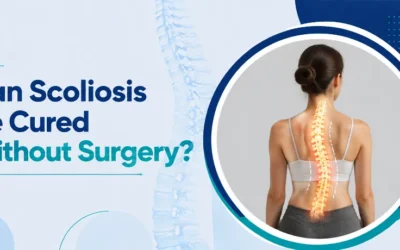
Can Scoliosis Be Cured Without Surgery?
It's usually the first question a parent asks after seeing an X-ray with a curved spine on it: can we fix this without an operation? Dr. Naveen Tahasildar, a leading scoliosis and spine surgeon in Bangalore, explains that the honest answer sits somewhere between yes...
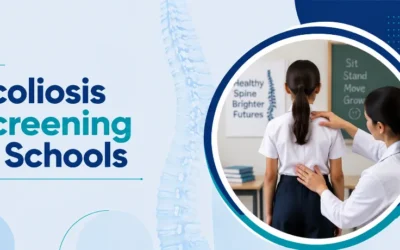
Scoliosis Screening in Schools: What Parents Need to Know
Every year, thousands of children are flagged during a routine school health check for something most parents have never had to think about: a curve in the spine. Dr. Naveen Tahasildar, a leading scoliosis and spine surgeon in Bangalore, explains that school scoliosis...

How Is Congenital Scoliosis Different From Idiopathic Scoliosis?
Not every spinal curve starts the same way. Congenital scoliosis traces back to how the spine formed before birth, while idiopathic scoliosis shows up later, usually during childhood or the teens, in a spine that developed normally. The type matters because it shapes...
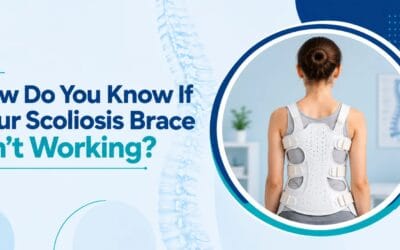
How Do You Know If Your Scoliosis Brace Isn’t Working?
Scoliosis bracing is meant to hold a curve steady while a child grows, not just fit comfortably under clothing. The clearest sign it isn't working shows up on follow-up X-rays, when the curve keeps advancing despite consistent, correct wear, well before any visible...
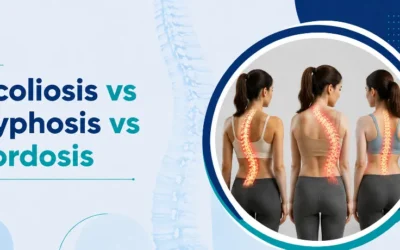
Scoliosis vs Kyphosis vs Lordosis
The spine has a natural curve built into it, gentle bends at the neck, upper back, and lower back that help absorb shock and keep the body balanced. But when these curves become exaggerated, or shift in a direction they shouldn't, they're given three different names:...
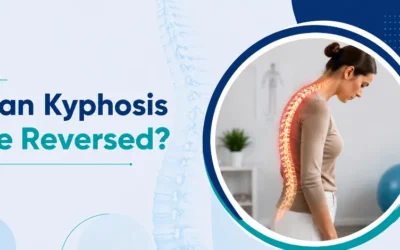
Can Kyphosis Be Reversed?
Kyphosis, the excessive forward curve of the upper spine that gives the back a rounded or "hunched" appearance, is one of the most common questions patients ask after diagnosis: can this actually be reversed, or is it something to simply live with? Dr. Naveen...
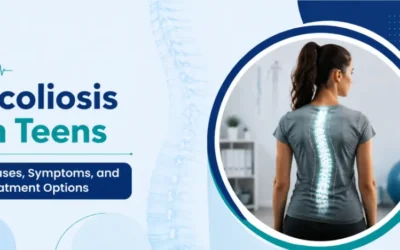
Scoliosis in Teens: Causes, Symptoms, and Treatment Options
It usually starts small. A shirt that doesn't hang quite right. A shoulder that sits a little higher in a school photo. A relative who casually asks, "why is her back like that?" More often than not, that's how scoliosis in teens gets discovered, not through pain, but...